PSHE/SRE 2026-27
Theological Underpinning
Jesus was radical in the way he spoke ‘truth to power’. He demanded that fairness be an abiding principle, to do to one’s neighbour what one would have done to you. Jesus saw the strength in ordinary people and their voice. He was not interested in symbols of power but in the unity of the many coming together. As Christians, we have a duty to spread this message: that we are all born and remain equal in the eyes of God and everyone must have a voice.
National Curriculum and Statutory Guidance
Personal, Social, Health and Economic (PSHE) education is an important and necessary part of every child’s education. Although PSHE is not a statutory National Curriculum subject, all schools should make provision for high-quality PSHE education, enabling pupils to develop the knowledge, skills and understanding they need to manage risks, make informed decisions and prepare for life in modern Britain.
Within primary education, Relationships Education is compulsory for all pupils, and Health Education is compulsory in state-funded schools. From September 2026, schools must have regard to the Department for Education’s revised statutory guidance for Relationships Education, Relationships and Sex Education (RSE) and Health Education.
At All Saints’, these statutory requirements are carefully integrated within our wider PSHE curriculum. Through progressive, age-appropriate teaching, pupils learn about healthy and respectful relationships, families and friendships, physical and mental wellbeing, personal safety, online safety, managing risks and making responsible choices. Our curriculum supports children in developing the confidence, resilience, respect and understanding they need to flourish within school and the wider world.
Relationships and Sex Education
Relationships Education is a statutory part of primary education and provides children with the foundations for developing positive, healthy and respectful relationships. Pupils learn about families and people who care for them, friendships, respectful relationships, personal boundaries, staying safe, including online, recognising unsafe situations and knowing how and where to seek help. Teaching is carefully sequenced and appropriate to pupils’ age and stage of development.
Sex education beyond the statutory National Curriculum for Science is not compulsory in primary schools. Where primary schools provide additional sex education, it should be appropriate to pupils’ age, physical and emotional maturity. Parents and carers have the right to request that their child is withdrawn from this additional sex education.
There is no right to withdraw from Relationships Education or Health Education, or from content taught as part of the statutory Science curriculum, including relevant teaching about puberty and sexual reproduction. Where a parent requests withdrawal from additional sex education in a primary school, the headteacher must grant the request.
At All Saints’, our teaching is delivered sensitively and inclusively within the context of our Christian ethos and values, recognising the dignity and worth of every individual and promoting respect, compassion and positive relationships. We work in partnership with parents and carers and ensure that teaching is age-appropriate, responsive to the needs of our pupils and supportive of every child’s wellbeing and development.
Curriculum
At All Saints’, PSHE is taught weekly as an important part of our broad and balanced curriculum. We use the Kapow Primary PSHE and RSE scheme to provide a carefully sequenced and progressive curriculum, ensuring that pupils build their knowledge, vocabulary and skills as they move through the school.
Our curriculum supports pupils’ personal, social, emotional and economic development and prepares them for the opportunities, responsibilities and experiences of life in modern Britain. Learning includes families and relationships, health and wellbeing, safety and the changing body, citizenship and economic wellbeing. Online safety is woven throughout the curriculum, helping children to recognise risk, make responsible choices and know how to seek help.
PSHE at All Saints’ extends beyond discrete lessons. Our Christian vision and values, collective worship, assemblies, Zones of Regulation, mindfulness and meditation, enrichment opportunities and wider school life all contribute to pupils’ personal development. Children are encouraged to develop respect, compassion, resilience, responsibility and an understanding of themselves and others, enabling them to flourish as confident and considerate members of their communities.
Teaching is inclusive and age-appropriate and is adapted where necessary to meet the needs of individual pupils, including pupils with SEND. Teachers also respond sensitively to issues that arise within their classes, providing additional opportunities for discussion, reflection and support where appropriate.
Spirituality and Mindfulness
At All Saints’, we recognise the importance of supporting children’s mental health, emotional wellbeing and ability to self-regulate. Opportunities for mindfulness, connection and quiet reflection are embedded within school life, providing pupils with strategies to pause, reflect and manage their emotions.
These practices complement our PSHE curriculum and Christian ethos, helping children to develop self-awareness, resilience and a sense of calm and wellbeing. Through age-appropriate activities, pupils learn simple techniques that they can use independently to support their emotional wellbeing, concentration and readiness to learn.
Zones of Regulation and/or Social Skills

Clubs
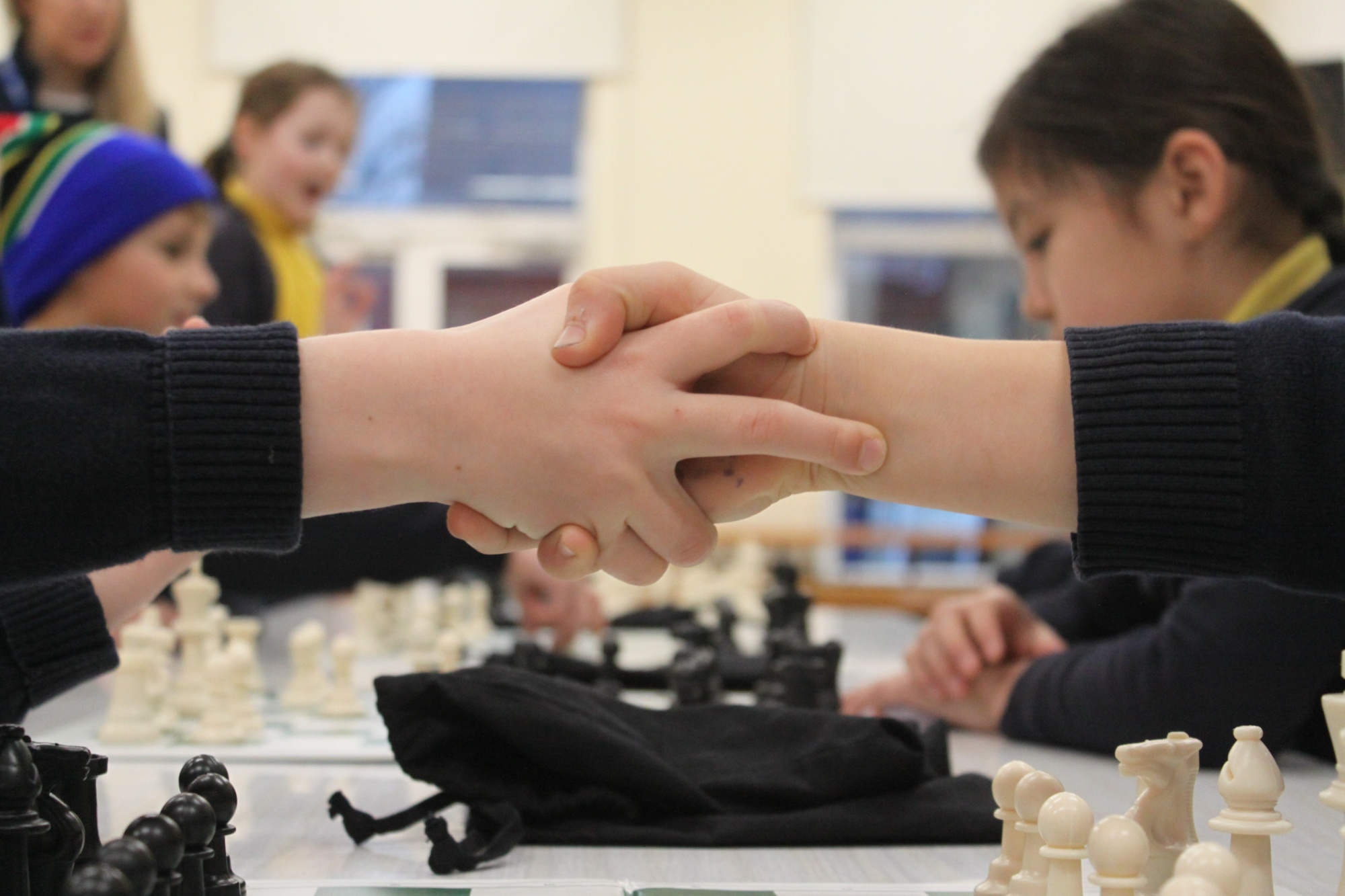
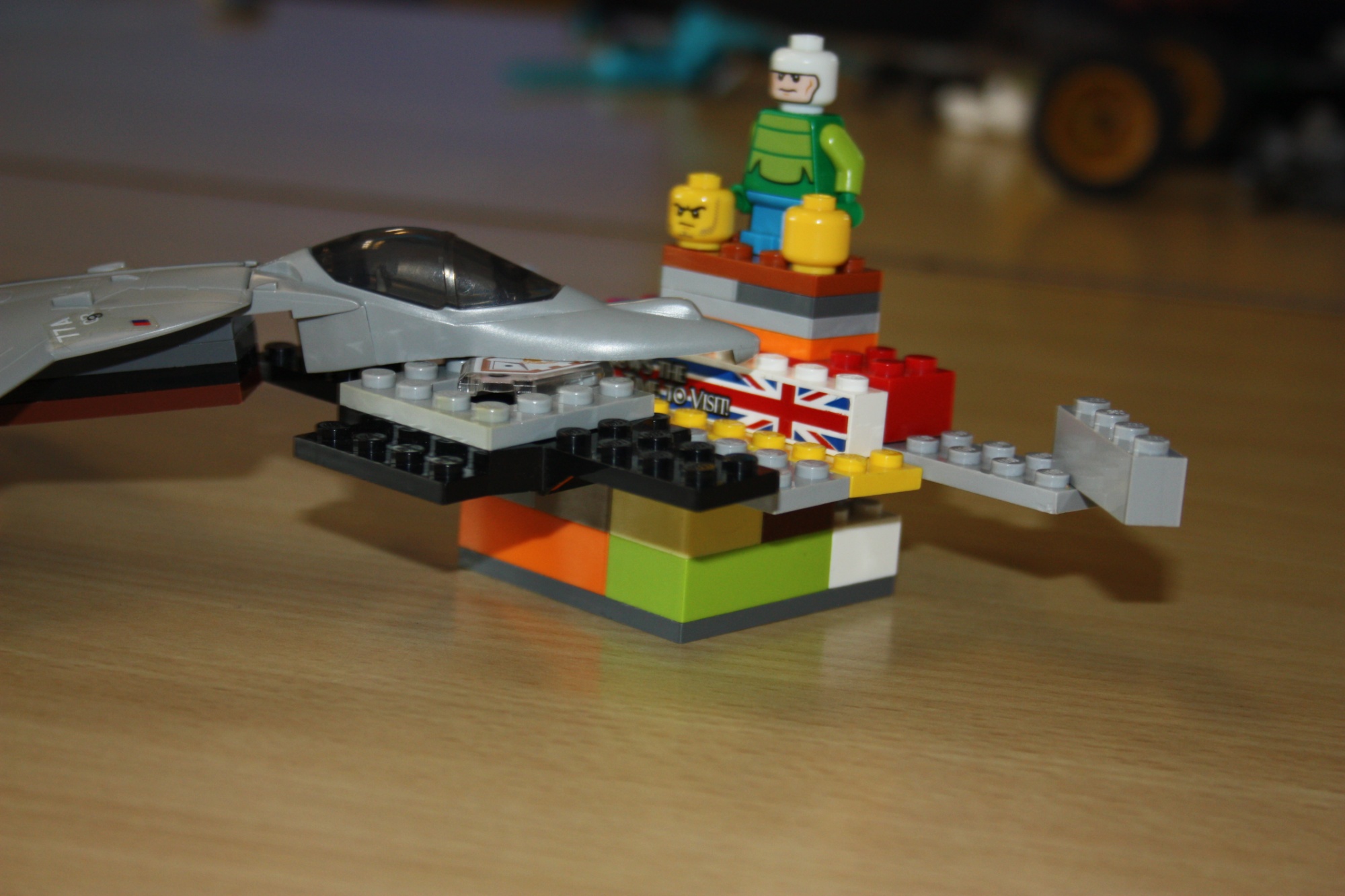
At All Saints’, we offer a wide range of extracurricular clubs which enrich pupils’ experiences and support their physical, social and emotional wellbeing. Opportunities include music, dance, choir, LEGO, kickboxing, football, athletics, running, multi-sports, drama, chess and guitar, alongside other activities offered throughout the year.
Our clubs give children opportunities to discover new interests, develop talents, build confidence and resilience, work collaboratively and form positive relationships beyond the classroom. We aim to provide a varied programme that enables pupils with different interests and strengths to participate, succeed and flourish.
Assemblies
Assemblies and Collective Worship are an important part of life at All Saints’ and contribute to pupils’ spiritual, moral, social and cultural development. Through worship, stories, reflection, prayer and discussion, pupils explore our Christian vision and values, consider important issues and develop their understanding of themselves, others and the wider world.
Assemblies also provide opportunities to explore themes linked to PSHE, relationships, mental health and wellbeing, online safety, equality, diversity and safeguarding, as well as celebrating pupils’ achievements and contributions to school life. Together, these experiences help children develop respect, compassion, resilience and a strong sense of belonging and responsibility, supporting our commitment to being “Rooted in faith, growing through learning, enabling all to flourish.”