Science
NC Programme of Study Aims
The national curriculum for science aims to ensure that all pupils:
- develop scientific knowledge and conceptual understanding through the specific disciplines of biology, chemistry and physics
- develop understanding of the nature, processes and methods of science through different types of science enquiries that help them to answer scientific questions about the world around them
- are equipped with the scientific knowledge required to understand the uses and implications of science, today and for the future.
Curriculum
Science reveals to us the wonder and beauty of God’s creation and the interconnectedness of nature.
At All Saints’, Science nurtures children’s natural curiosity about the world around them. We want pupils to ask questions, explore ideas, investigate possibilities and develop the knowledge and skills needed to understand the natural and physical world. Children are encouraged not simply to learn scientific facts, but to think, question and work like scientists.
In the Early Years, the foundations of Science are developed through purposeful play, exploration and first-hand experiences across the seven areas of learning, with particularly strong links to Understanding the World. Children explore the natural environment throughout the seasons, observe plants and animals, investigate different materials, notice changes and patterns, and talk about what they see and experience. Activities such as planting and growing, exploring light and shadows, investigating floating and sinking, observing weather and seasonal change, caring for living things and exploring how materials behave provide meaningful opportunities for early scientific thinking. Adults encourage children to ask questions, make predictions, describe what they notice and develop increasingly precise vocabulary to explain their ideas.
From Year 1 onwards, we use Kapow Primary to support the planning and progression of our Science curriculum. Science is taught every week, ensuring that children engage with scientific thinking regularly and build their knowledge and skills progressively over time. Pupils develop secure knowledge across biology, chemistry and physics, with key concepts and scientific vocabulary deliberately revisited and connected to previous learning.
Working scientifically is woven throughout our curriculum. Children learn to ask relevant questions, make predictions, observe closely, identify and classify, carry out fair and comparative tests, take measurements, gather and record results and use evidence to draw conclusions. As pupils move through the school, they take increasing responsibility for planning investigations, selecting appropriate approaches and explaining what their evidence tells them.
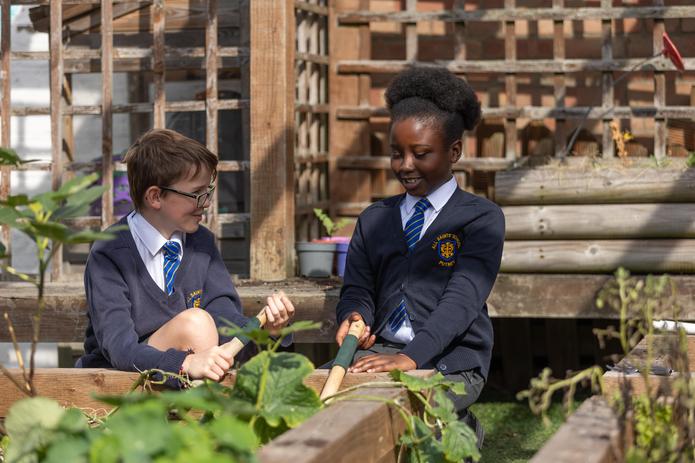
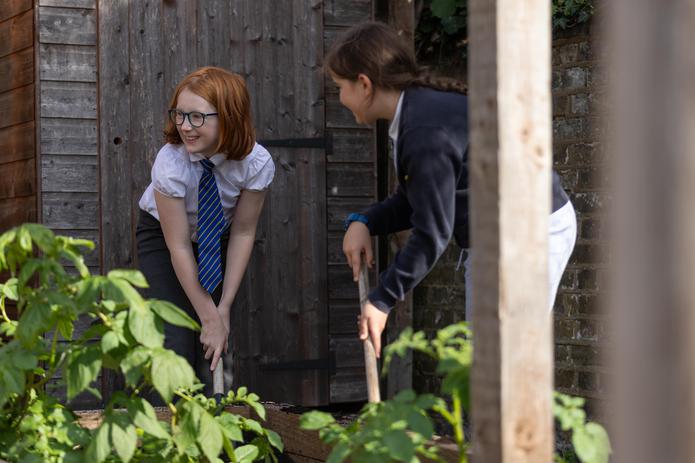
We believe Science should be practical, engaging and rooted in real experiences. Pupils regularly handle resources, conduct investigations and make observations, with opportunities to explore our school grounds and local environment. Children also learn about significant scientists and discoveries, recognising the contribution of a diverse range of scientists to our understanding of the world.
Through our Christian vision and values, pupils are encouraged to approach the world with wonder and curiosity, while developing respect for living things and a sense of responsibility towards our environment. We aim for children to leave All Saints’ as curious, knowledgeable and confident young scientists who are eager to question, investigate and discover more about the world around them.
During British Science Week (usually in March), we will celebrate science learning across the school.
|
|
|