History
NC Programme of Study Aims
Aims The national curriculum for history aims to ensure that all pupils:
- know and understand the history of these islands as a coherent, chronological narrative, from the earliest times to the present day: how people’s lives have shaped this nation and how Britain has influenced and been influenced by the wider world
- know and understand significant aspects of the history of the wider world: the nature of ancient civilisations; the expansion and dissolution of empires; characteristic features of past non-European societies; achievements and follies of mankind
- gain and deploy a historically grounded understanding of abstract terms such as ‘empire’, ‘civilisation’, ‘parliament’ and ‘peasantry’
- understand historical concepts such as continuity and change, cause and consequence, similarity, difference and significance, and use them to make connections, draw contrasts, analyse trends, frame historically-valid questions and create their own structured accounts, including written narratives and analyses
- understand the methods of historical enquiry, including how evidence is used rigorously to make historical claims, and discern how and why contrasting arguments and interpretations of the past have been constructed
- gain historical perspective by placing their growing knowledge into different contexts, understanding the connections between local, regional, national and international history; between cultural, economic, military, political, religious and social history; and between short- and long-term timescales.
Curriculum
At All Saints’, History brings the past to life and helps children understand how people, events and ideas have shaped the world in which we live today. We want pupils to be curious about the past, ask thoughtful questions and develop the confidence to investigate, interpret and challenge what they discover.
In the Early Years, children begin to develop the foundations of historical understanding through meaningful connections across the seven areas of learning. Through stories, discussions, their own experiences and exploration of the world around them, children begin to recognise the difference between past and present, talk about changes over time and develop an early sense of chronology.
From Year 1 onwards, we use Kapow Primary to support the planning and progression of our History curriculum. Children develop secure knowledge of significant periods, events and individuals while building their understanding of key historical concepts including chronology, cause and consequence, change and continuity, similarity and difference, and historical significance.
History is taught in focused blocks, allowing children to immerse themselves in a period of study and explore it in greater depth. Key knowledge and vocabulary are revisited and linked to previous learning so that pupils increasingly recognise connections between different periods and develop a coherent picture of the past.
Historical enquiry is central to our approach. Pupils explore a range of sources and evidence, learning to ask questions, consider reliability and recognise that the past can be interpreted in different ways. As they progress through the school, children become increasingly confident in using evidence to form opinions, explain their thinking and draw informed conclusions.
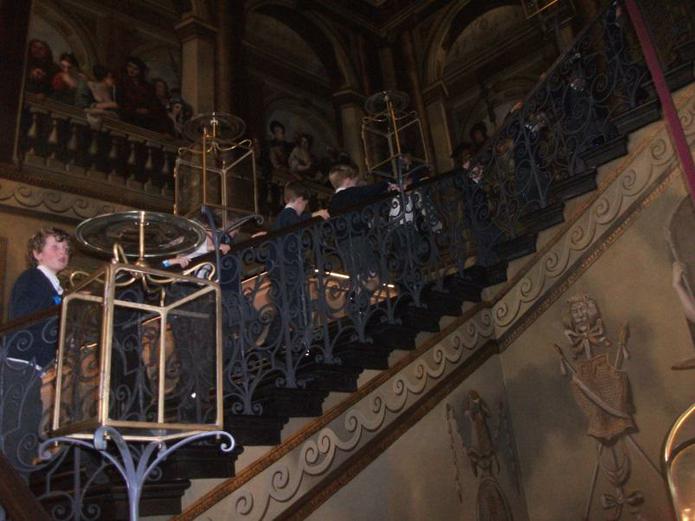
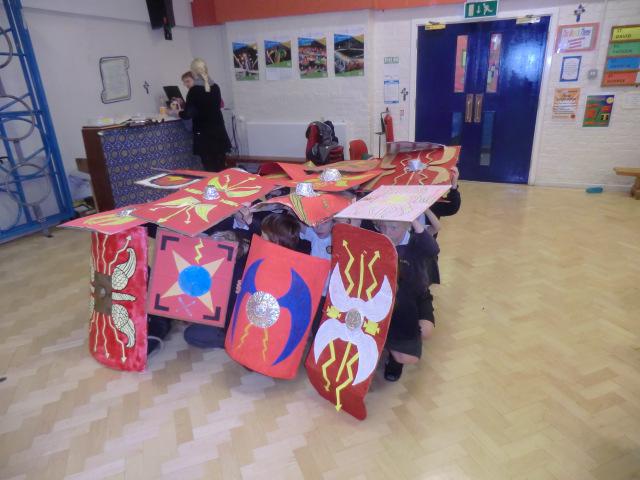
We bring learning to life through artefacts, high-quality texts, visitors, workshops, trips and opportunities to explore local history. These experiences help children connect classroom learning with real people, places and events and make their historical learning memorable and meaningful.
Through our Christian vision and values, children are encouraged to consider different perspectives, show empathy and reflect on the experiences of people from different times and cultures. We aim for pupils to leave All Saints’ as knowledgeable, curious and reflective historians, with a strong understanding of chronology and an enthusiasm for discovering more about the past.
|
|
|
|
|
|