Geography
NC Programme of Study Aims
The national curriculum for geography aims to ensure that all pupils:
- develop contextual knowledge of the location of globally significant places – both terrestrial and marine – including their defining physical and human characteristics and how these provide a geographical context for understanding the actions of processes
- understand the processes that give rise to key physical and human geographical features of the world, how these are interdependent and how they bring about spatial variation and change over time
- are competent in the geographical skills needed to:
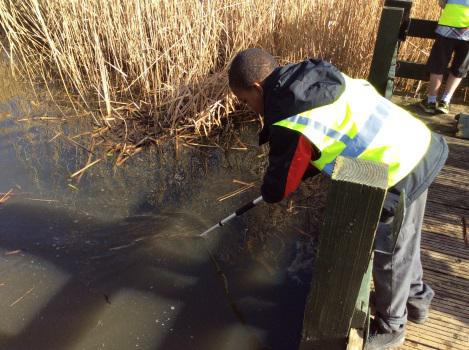
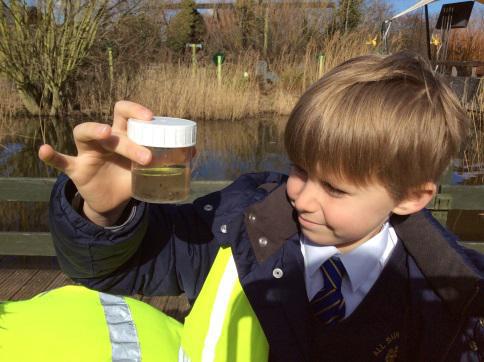
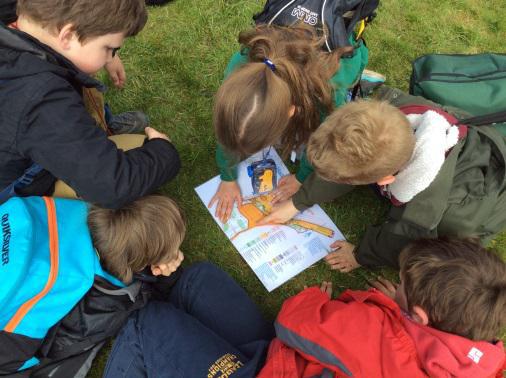
- collect, analyse and communicate with a range of data gathered through experiences of fieldwork that deepen their understanding of geographical processes
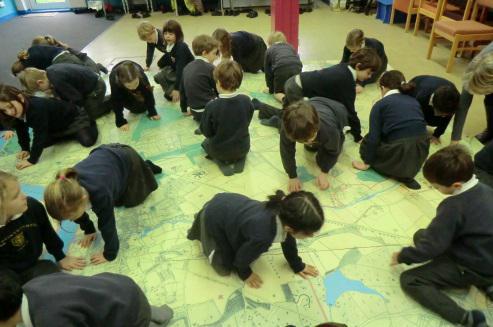
- interpret a range of sources of geographical information, including maps, diagrams, globes, aerial photographs and Geographical Information Systems (GIS)
- communicate geographical information in a variety of ways, including through maps, numerical and quantitative skills and writing at length.
Curriculum
At All Saints’, Geography encourages children to develop a curiosity and fascination about the world and the people who live within it. We want pupils to understand their place in the world, beginning with their own local environment and extending their knowledge to places, people and landscapes across the globe.
We use Kapow Primary to support the planning and progression of our Geography curriculum, ensuring that knowledge and geographical skills build carefully from the Early Years through to Year 6. Children develop their understanding of locational knowledge, place knowledge, human and physical geography, fieldwork and geographical skills, revisiting important concepts as they progress through the school.
Geography is taught in focused blocks, giving children the opportunity to become immersed in a topic, explore geographical questions in depth and make meaningful connections across their learning. Previous knowledge is regularly revisited, helping pupils to build a rich and connected understanding of the world over time.
Geographical enquiry is at the heart of our approach. Pupils are encouraged to ask questions, investigate patterns, compare places and use evidence to reach conclusions. They develop practical skills through the use of maps, atlases, globes, digital mapping, photographs and data, alongside opportunities for fieldwork and first-hand observation.
Our local area provides a valuable starting point for geographical learning. Children have opportunities to explore and investigate their surroundings before making connections with contrasting places and environments further afield. As they move through the school, pupils consider increasingly complex issues such as climate, sustainability, settlement, natural resources and the relationship between people and their environment.
Through our Christian vision and values, children are encouraged to appreciate the diversity of our world, respect different communities and recognise our shared responsibility to care for the environment. We aim for pupils to leave All Saints’ as curious, knowledgeable and thoughtful geographers who are eager to continue exploring the world around them.
|
|
|
|
|
|
|